Several cameras can be used simultaneously in the hides, as each hide has multiple photographic positions. The photographic openings mostly face the same direction. The hides are mainly designed for two people, but they can also be reserved for single use by paying a single-occupancy supplement. If you reserve a hide for private use, no other photographers will be placed in the same hide.

A tripod is not necessarily required, as photography can be done using the specially designed photography plank inside the hide. A tripod head can be attached to the plank or a beanbag can be used. Some hides also have a metal plate where a ball head can be mounted. In many hides it is also possible to use a full tripod, especially in two-person hides where the front wall is designed at an angle.

The tripod head can be moved sideways along the plank and secured to bolts installed in the hide. Cameras can be rotated approximately 120–160 degrees within the photographic openings, as the fabric openings are sewn together and there are no bars between them to restrict movement.

It is possible to change lenses inside the hide when done quietly. The use of flash or flashlight is strictly forbidden at all times. Leaving the hide during the evening, night, or morning before the agreed time is also not permitted. All rules given in the start information must be followed.

You are free to choose your preferred hide when making your reservation. If you prefer, you can also leave the hide selection to our staff, who will choose the most suitable hide for you based on conditions, photographic opportunities and booking order.

Click on markers to learn more about individual hides.

Hide Equipment

All hides include:

  • 2 chairs
  • 2 sleeping places with mattresses, duvets, pillows and sleeping bags
  • dry toilet and toilet paper
  • 3/8” mounting screws for tripod heads
  • heater in April when needed (extra fee)

Hide 13 has a lower bed and a mattress with bedding placed on the floor.

Low level photography opening

ILow-level photography openings are installed in hides 2, 3, 4, 15, 21, 22, 23 and 24. These openings do not have a photography plank, therefore a beanbag or similar support is recommended.

Bear, wolf and wolverine hides

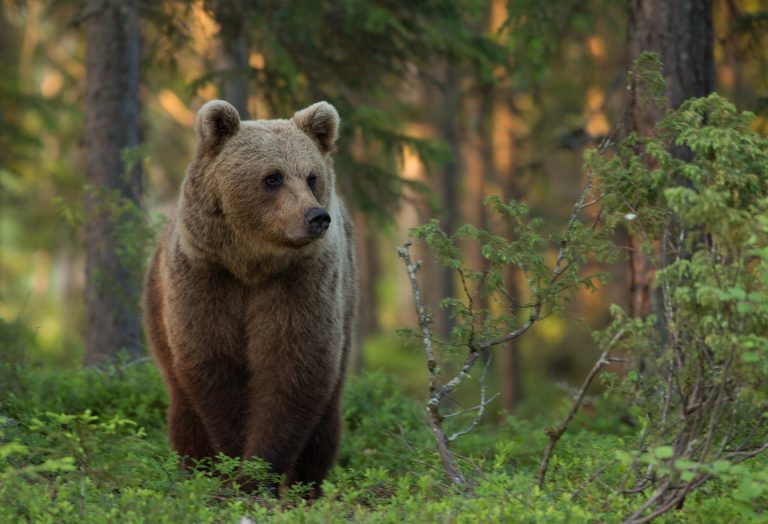
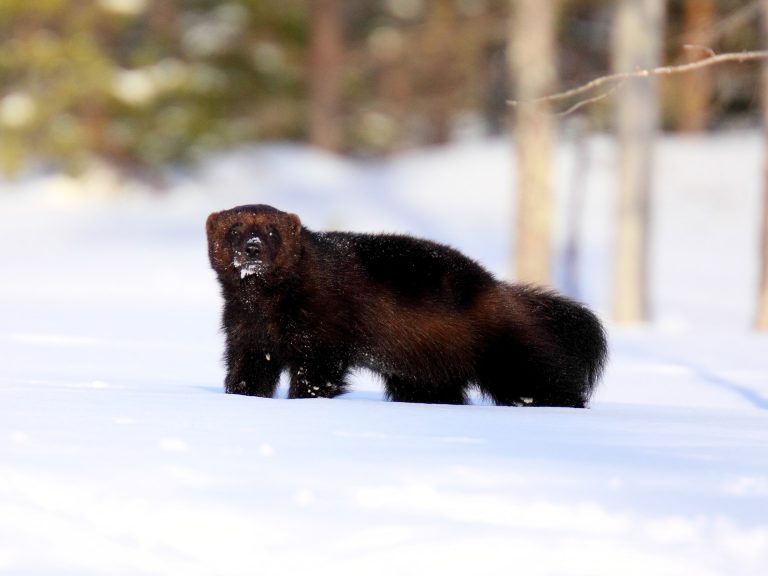
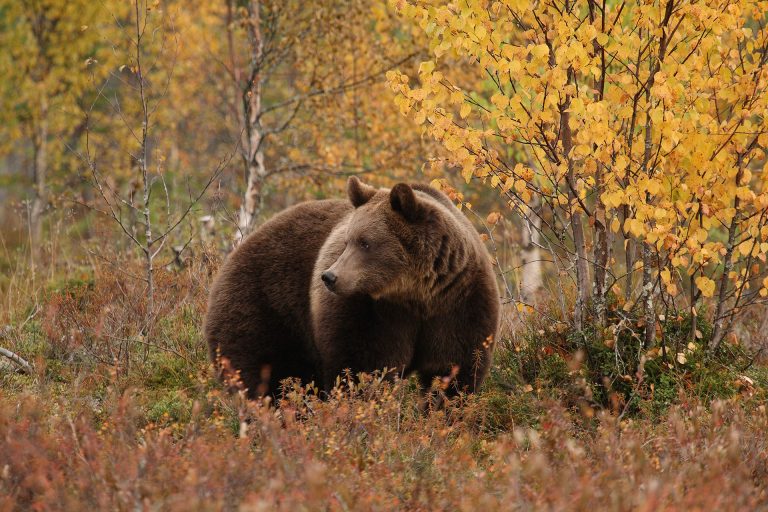
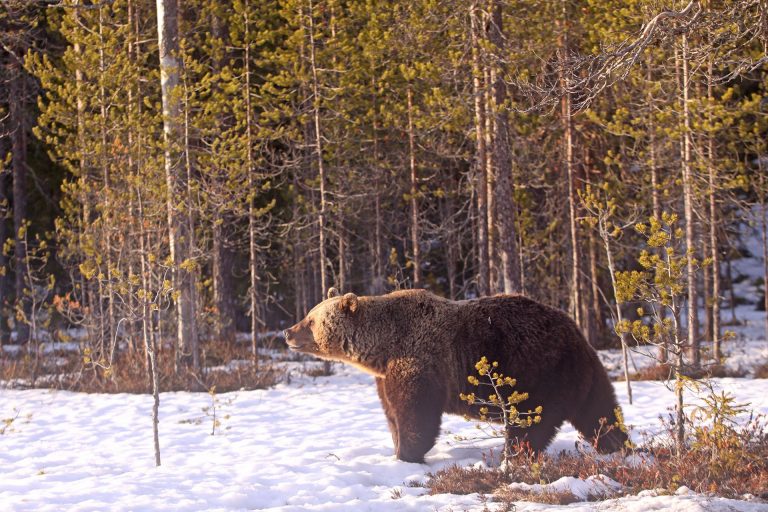
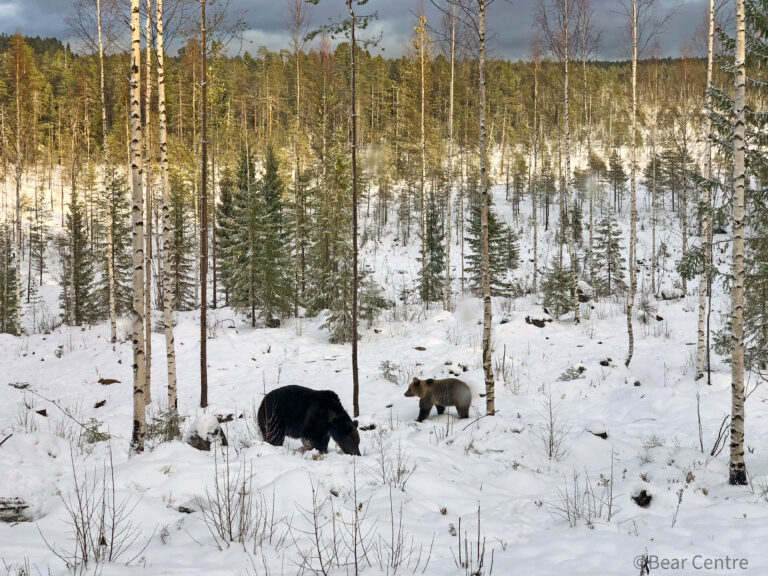
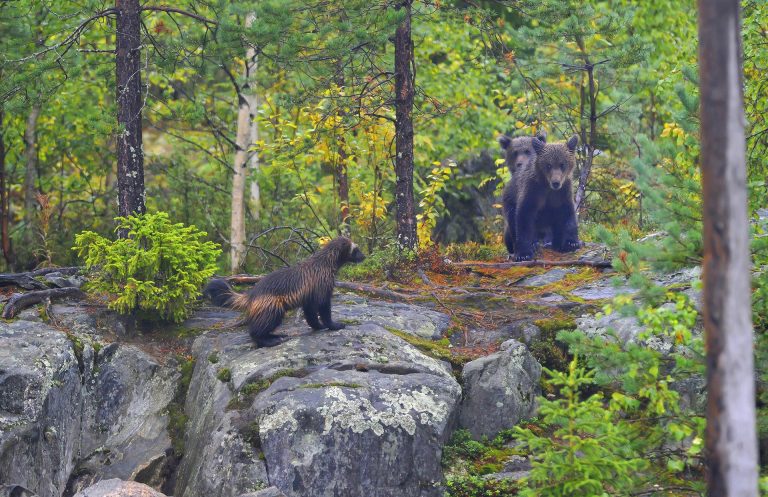
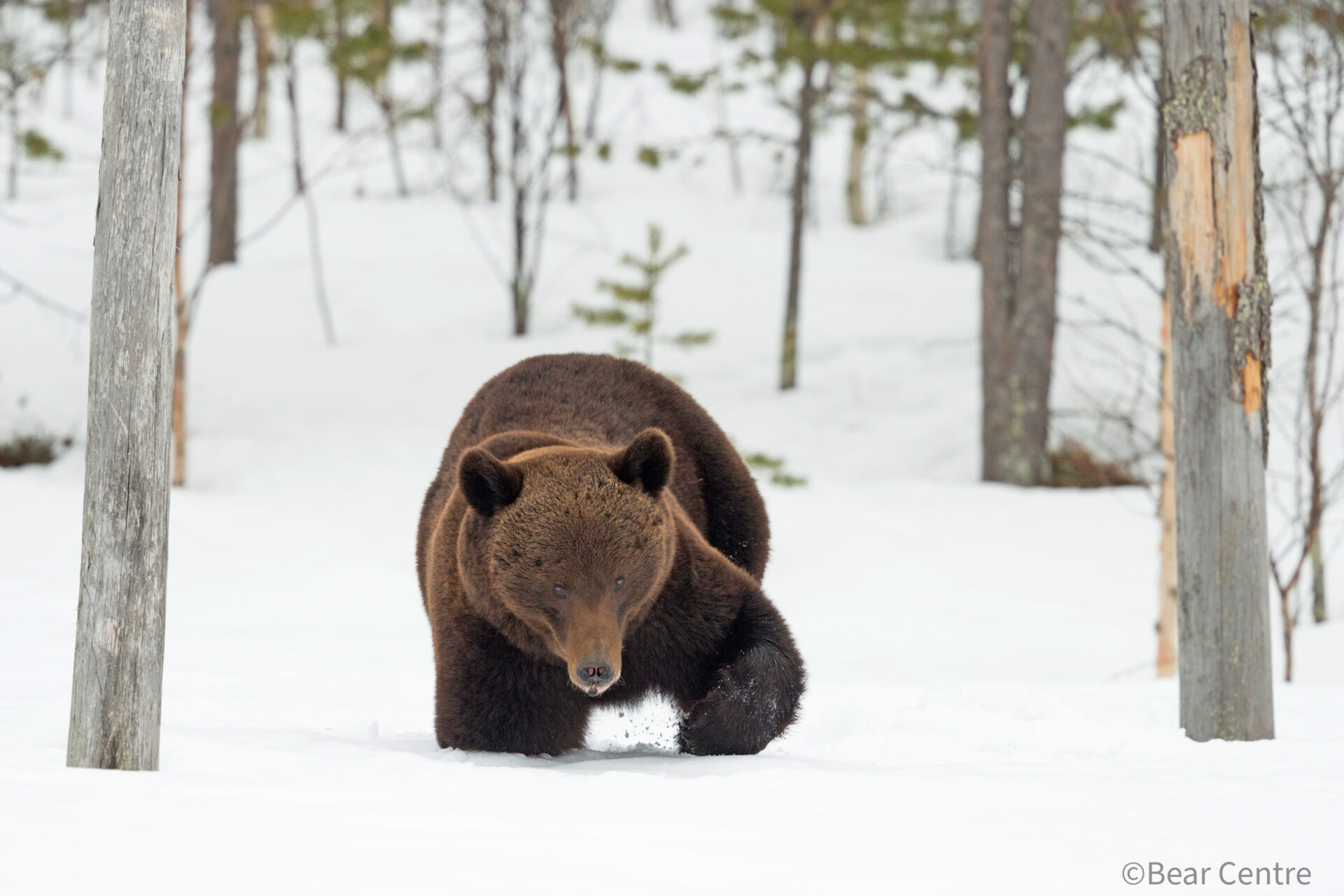
Bear Centre specialises in observing wildlife at very close distances, particularly bears and wolverines. Although long telephoto lenses are effective, the close proximity also allows creative photography with wide-angle lenses. The hides are also suitable for filming bears and wolverines.

Bears and wolverines move throughout the entire hide area. When selecting a hide, the most important factor is the type of surroundings and background you would like for your photographs.

The hides are located 500–900 metres from the main lodge, and a solid track with sections of boardwalk leads to them.

The route is easy to walk and does not include steep inclines or declines.

The hides are mainly designed for two people, but hides 1, 7 and 19 can be arranged as family hides (2 + 2 persons) if necessary.

Frequently Asked Questions

Bear Centre offers one of Europe’s most authentic brown bear experiences. Our long experience, carefully selected locations, and responsible practices ensure both a high probability of sightings and an ethical, safe wildlife encounter. Bears are completely wild, free-roaming, and observed without disturbance.

Bear watching and photography always take place between 5:00 PM and 7:00 AM. For safety and to respect wildlife, leaving the hide or observation house during the programme is not possible.

Photography and viewing hides are located 400–900 metres walking distance from the Bear Centre. The walk is part of the experience and takes place in natural forest terrain.

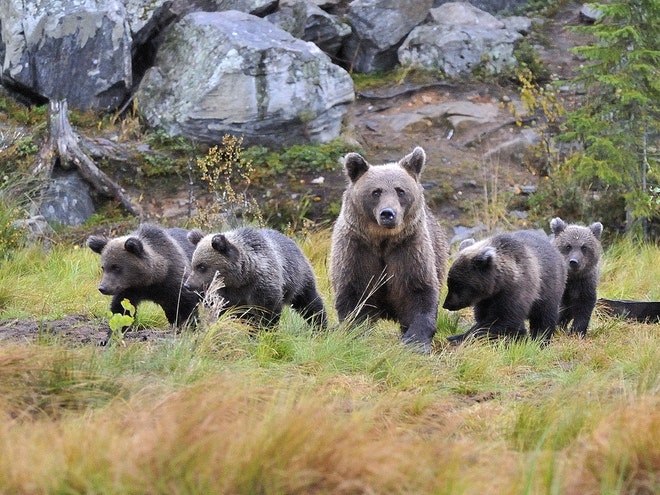
Our photography hides are positioned based on terrain, light, and bear movement patterns. This allows photographers to capture natural behaviour in a calm and undisturbed environment. Different months offer different photographic opportunities — including bear cubs from early summer onwards.

Depending on the hide, bears may approach to approximately 5–30 metres, offering exceptional opportunities for both close-up portraits and wide environmental shots.

The hide is selected based on:

  • time of year and lighting conditions
  • photographer’s experience and preferences
  • desired shooting distance and angle

Our staff will always assist in choosing the best possible hide for your goals.

The optimal stay is 1–2 days or more. Multiple nights significantly increase the variety of encounters and photographic situations.

Photography programmes are designed for photographers and allow photography without glass, by placing the camera lens directly into a photography opening for reflection-free images.

Viewing programmes are designed for general visitors and allow photography through glass, offering a more comfortable and accessible way to experience bears.